
AI Search (GEO / AEO)
What Is Generative Engine Optimization (GEO)? A Practical Guide for Brands
 By Irfan Manjothi8 min read
THE SHORT ANSWER
Generative Engine Optimization (GEO) is the practice of making your brand easy for AI search engines and LLMs to find, understand, cite and recommend. It combines answer-ready content, clear entity signals, crawlable pages and mentions in the trusted third-party sources that AI answers draw from.
Why GEO matters now
Buyers no longer research only by scanning ten blue links. More and more of them ask an AI assistant to compare options, shortlist vendors or explain a problem, and they often act on the answer without visiting many websites. If your brand is not part of that answer, you are invisible at the exact moment a decision is being shaped.
Classic SEO still matters, because AI systems lean heavily on pages that already rank and earn trust. But ranking alone is no longer the finish line. GEO is the extra layer that makes your content and your brand quotable.
How AI answers choose their sources
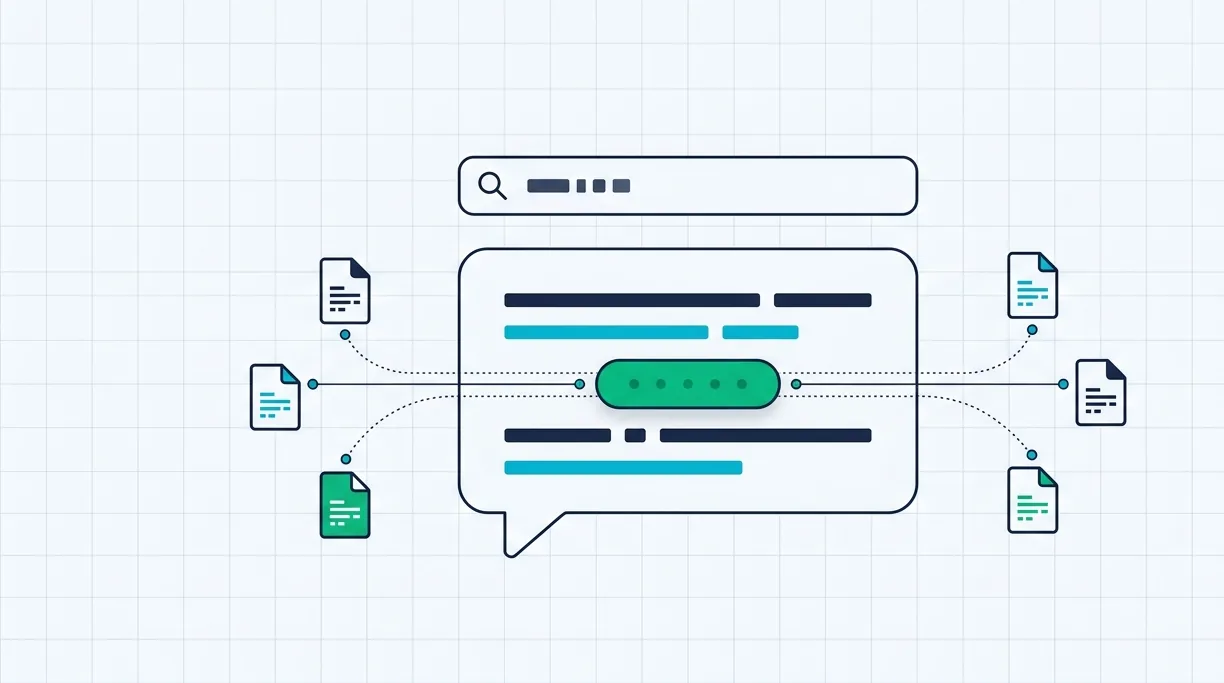
Every AI search product works a little differently, but most follow a similar pattern when they answer a question with live information:
- Retrieve. The system searches its index or the web for pages relevant to the prompt.
- Read. It extracts passages that directly answer the question, favouring clear, well-structured text it can parse without obstacles.
- Synthesize. It combines information from several sources and decides which brands, products and facts to mention.
- Cite. It links to or names the sources it relied on most.
That means three things decide whether you appear: whether crawlers can access and read your pages, whether your content contains concise, trustworthy answers, and whether other reputable websites already talk about you.
GEO vs SEO vs AEO
| Discipline | Main goal | Key signals |
|---|---|---|
| SEO | Rank pages in search results | Technical health, relevance, content quality, backlinks |
| AEO | Have your content quoted as the direct answer | Concise answer blocks, clear headings, structured data |
| GEO | Be mentioned, cited and recommended in AI-generated answers | Entity clarity, third-party mentions, extractable content, AI crawler access |
In practice, they work best together. Strong SEO gets you into the pool of sources, AEO makes your passages easy to lift, and GEO builds the off-site reputation that convinces an AI system to recommend you.
A practical GEO framework
1. Make every key page extractable
Open important sections with a direct 40 to 50 word answer, then expand with detail, examples and data. Use descriptive headings that mirror real questions. Comparison tables, step lists and clear definitions are easy for AI systems to quote accurately.
2. Remove crawler and rendering obstacles
If key content only appears after client-side JavaScript runs, some crawlers will see an empty page. Serve important content in the initial HTML, keep pages fast and check that your robots rules do not accidentally block the AI crawlers you want to reach you.
3. Clarify your entity
Describe who you are, what you offer and who you serve consistently across your website, profiles and directories. Structured data for your organization, people, products and FAQs helps machines connect the dots.
4. Earn mentions where AI answers look
Map the conversational prompts your buyers use, then note which publications, comparison articles and listicles the answers cite. Those sources are your outreach list. Earning placements and reviews there is often the fastest way to start appearing in AI recommendations.
5. Publish original insight
AI answers repeat what is common. Original data, first-hand testing, clear opinions and expert commentary give systems a reason to cite you specifically rather than a generic source.
Common GEO mistakes
- Writing long introductions that bury the actual answer.
- Relying on JavaScript to load the content that matters most.
- Ignoring off-site reputation and focusing only on your own pages.
- Publishing thin AI-written content that adds nothing new.
- Tracking only rankings and never checking how AI answers describe your brand.
How to measure AI search visibility
Build a fixed list of high-intent prompts your buyers would ask, then check them regularly across the leading AI assistants and answer engines. Record whether your brand is mentioned, whether it is recommended, how it is described and which sources are cited. Track the same prompts over time alongside your organic traffic and conversions, so you can see whether GEO work is shifting the conversation in your favour.
If you want a second pair of eyes, we can review how AI search currently sees your brand on a 15-minute discovery call, or explore our AI search optimization services.
Frequently asked questions
Does GEO replace SEO?
No. GEO builds on SEO. AI systems still rely heavily on pages that are technically sound, relevant and trusted, so strong SEO foundations make GEO far more effective.
How long does GEO take?
On-page improvements can be picked up quickly, while earning mentions in the sources AI answers rely on usually takes a few months of consistent outreach.
ABOUT THE AUTHOR
Irfan Manjothi
Founder of OrganicAnchor Digital. Writes about technical SEO, content strategy, AI search and link building.
Want this applied to your website?
We study your site before the call and show you real findings in 15 minutes.